What is in the air?
Measuring particles and volatile organic compounds inside and outside fire-affected homes.
Indoor & outdoor airCurrent research focus
We investigate air quality during fires and through recovery, with a focus on the 2025 Eaton and Palisades fires in Los Angeles.
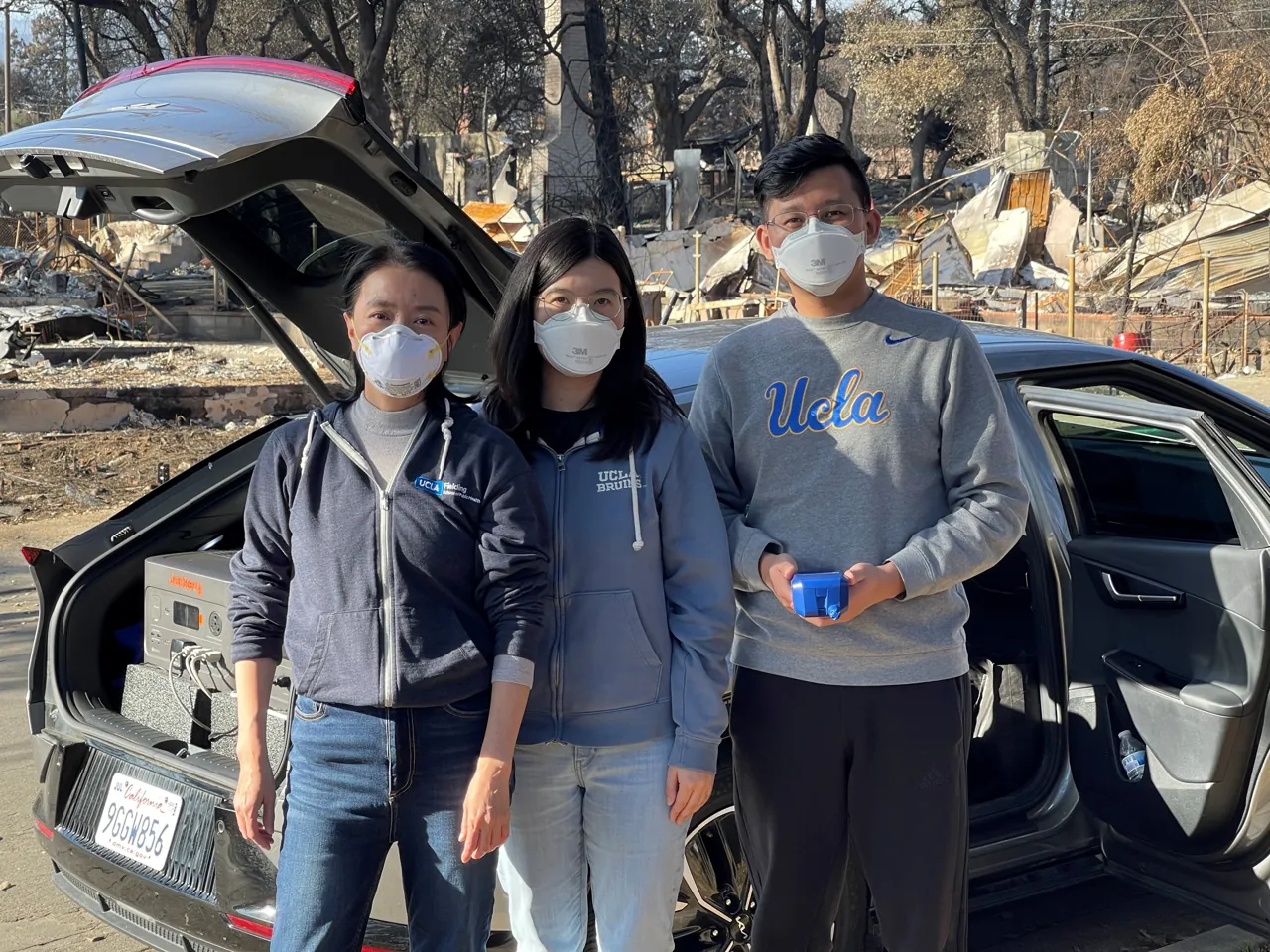
A home can remain standing while smoke changes the air inside it. Our work asks which pollutants persist, where they come from, and how exposures change during recovery.
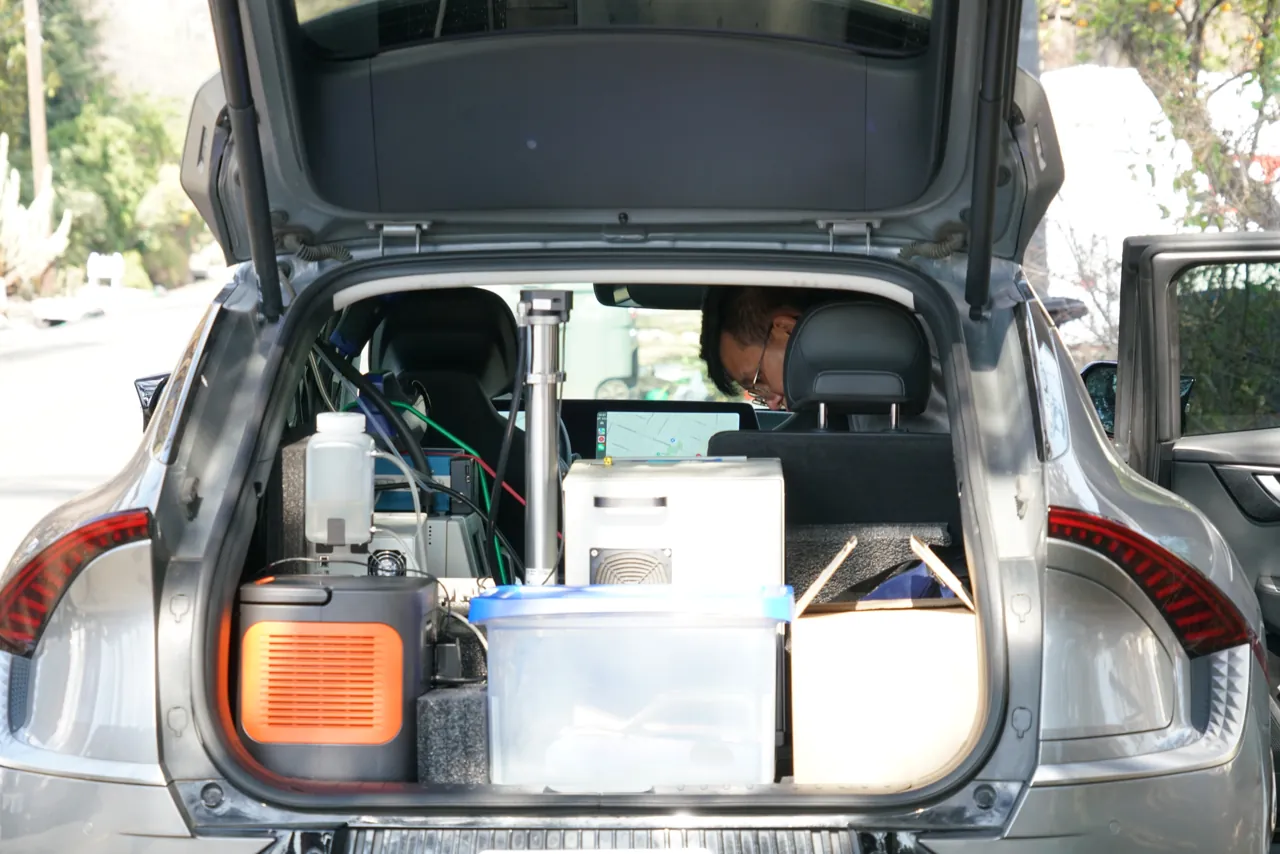
We combine indoor and outdoor sampling, mobile measurements and laboratory analysis. This work contributes to collaborative research on the environmental and health consequences of urban wildfires.
Read the reporting: UCLA research feature · Science: fieldwork in Altadena
Research directions
Measuring particles and volatile organic compounds inside and outside fire-affected homes.
Indoor & outdoor air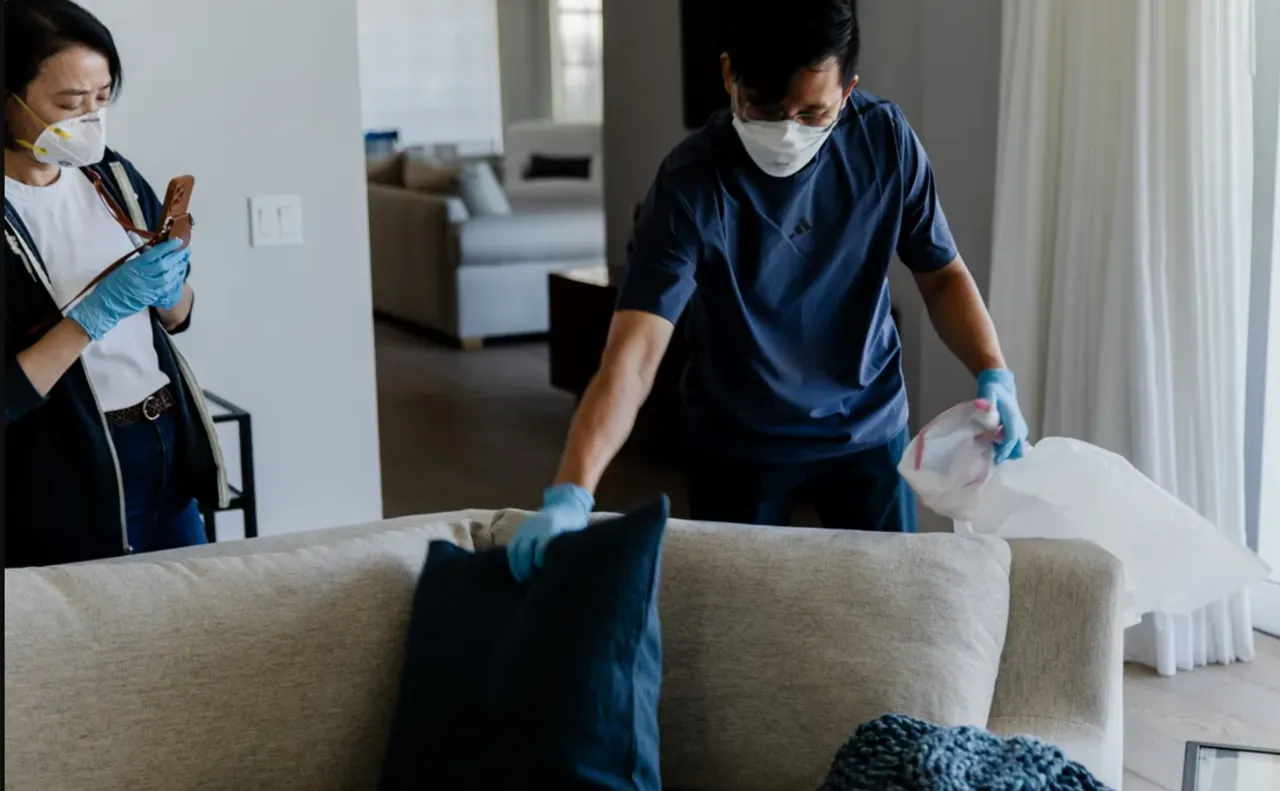
Investigating contaminants in smoke-impacted textiles and other household soft goods.
Household materials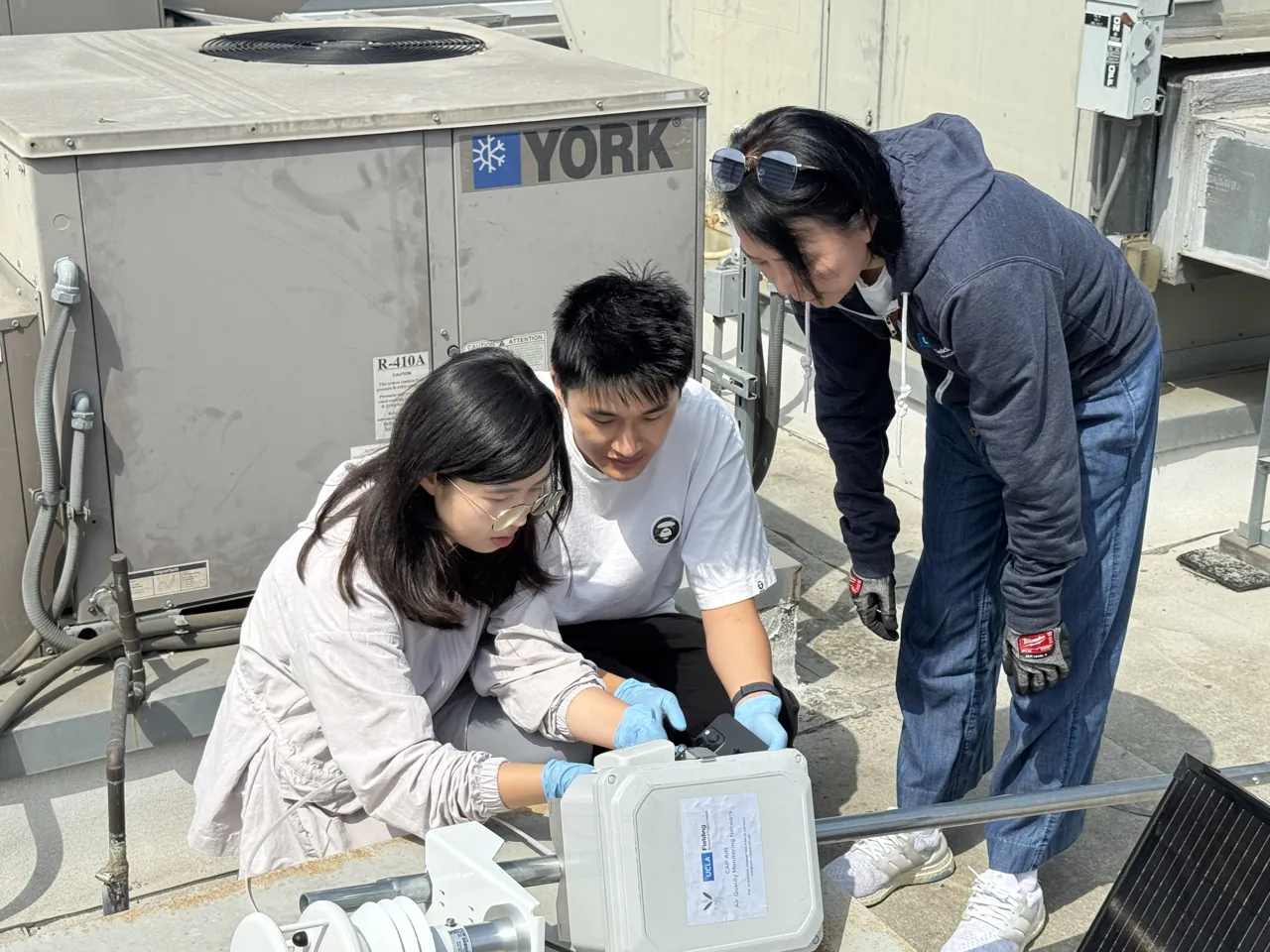
Using neighborhood particle monitoring to follow conditions during cleanup and rebuilding.
Community monitoring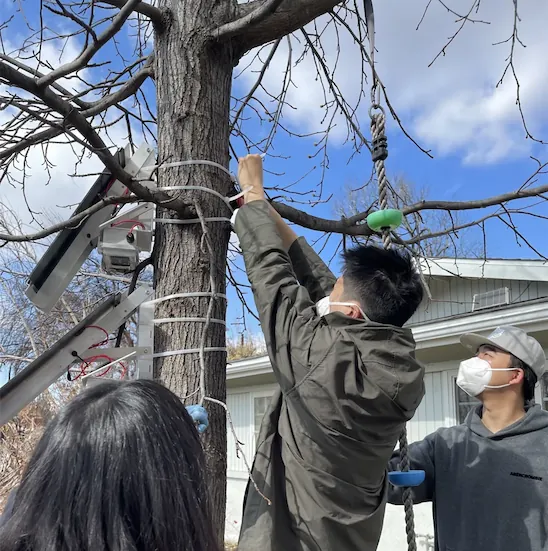
Wildfire recovery
We collected air samples during and after the 2025 Los Angeles fires. Published work examines volatile organic compounds indoors and outdoors, fine and ultrafine particles in the Eaton Fire burn zone, and airborne metal-containing particles near cleanup areas. Together, these studies examine exposure beyond the active burning period.
UCLA research overview →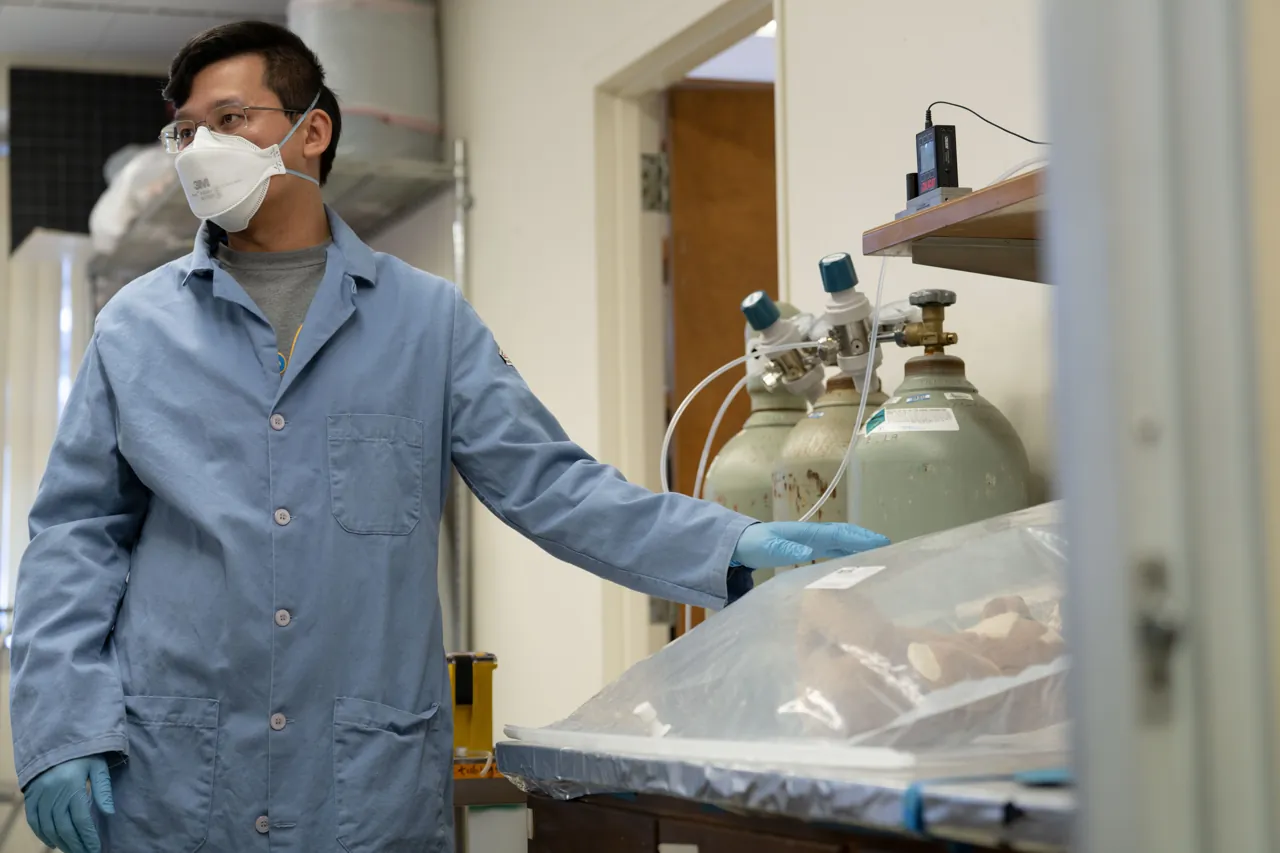
Wildfire recovery
Our team studies smoke-impacted clothing, blankets, pillows and stuffed animals to understand retained contaminants and continuing emissions. The project evaluates practical approaches such as washing and airing out materials. The purpose is to develop evidence for recovery decisions; effective cleaning methods remain a research question.
Read about the materials study →
Wildfire recovery
A UCLA-led team installed 20 monitoring stations in 2025 across western Los Angeles County. The network measures fine and coarse airborne particles, supporting local awareness during cleanup and reconstruction. It complements detailed chemical sampling: particle measurements alone do not identify every pollutant.
Read about the network →Yao et al. · Environmental Science & Technology Letters · 2026
Chen et al. · Environmental Science & Technology Letters · 2026
Kleeman et al. · Communications Earth & Environment · 2026
Li et al. · Environmental Science & Technology · 2026
Our response to the June 2026 Boyle Heights warehouse fire extends our attention to urban combustion and community exposure.
Boyle Heights fieldwork & reporting →